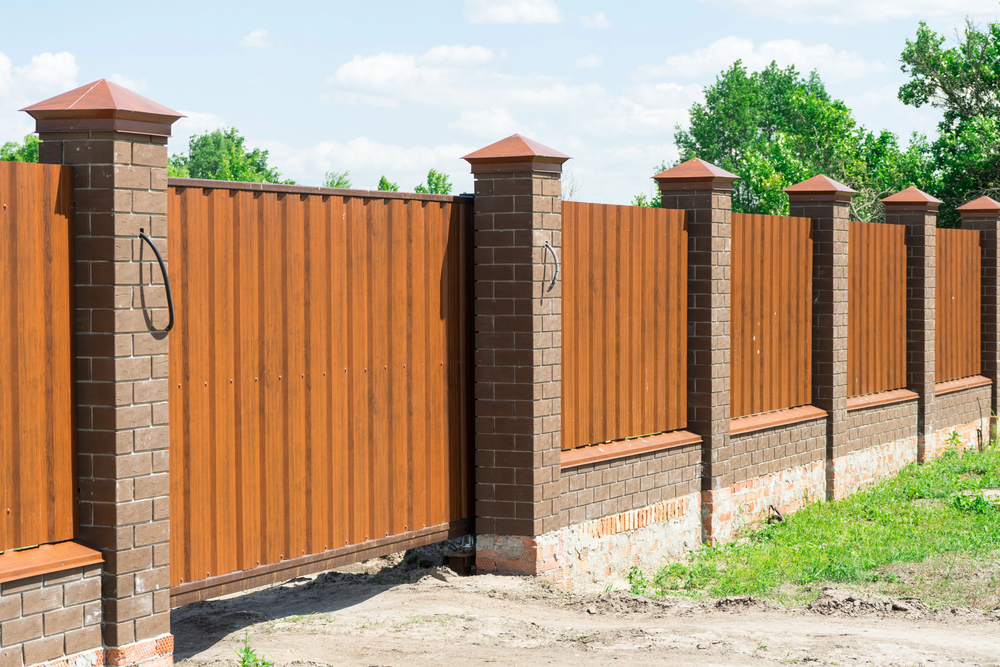
When looking at the
cost of metal fences vs. wood, it helps to understand not only the price but also the long-term value each option brings to your property. The fence you choose will influence your home’s appearance, maintenance needs, and overall durability. You may want something that offers a classic look, or you might prefer a fence that stays strong with very little upkeep.
Your budget, yard size, and style preferences all play a part in the decision. By comparing both materials, you can choose an option that supports your goals and fits the character of your home without unnecessary stress or confusion.
Material and Installation Costs
The first difference you will notice between wood and metal fencing is the upfront price. Wood is usually the more affordable option, which makes it appealing for homeowners who want a traditional style without spending too much at the start. Costs vary based on the type of wood you choose, with pine on the lower end and cedar or redwood at higher price points.
Metal fences, such as aluminum, steel, or wrought iron, often come with higher initial prices because of their strength and long-lasting nature. Installation costs can vary as well. Wood fences are usually straightforward to install, while metal fencing may require more precise work. When comparing total expenses, think not only about the upfront cost but also how often each material will need repairs or replacement in the future.
Durability and Lifespan
Durability is a major factor when choosing between wood and metal. Wood has natural charm, but exposure to sun, rain, and insects can cause it to weaken over time. Even with regular sealing or painting, wood may warp, fade, or rot. Metal fencing offers greater resistance to outdoor conditions. Aluminum does not rust, steel provides long-lasting strength, and wrought iron can stay attractive for many years with the right care.
Although metal may cost more at the beginning, its long lifespan can lead to fewer long-term expenses. If you prefer a fence that remains steady with less attention, metal is a strong choice. If you enjoy the look of natural materials and do not mind routine care, wood can still be a satisfying option.
Maintenance Requirements
Maintenance needs are often the biggest difference between these two materials. Wood requires regular staining or painting to protect it from sunlight, moisture, and pests. Skipping upkeep can shorten its lifespan and increase repair costs. Metal fencing usually needs only simple cleaning to stay in good condition. Aluminum and powder coated steel resist fading and corrosion, while wrought iron may need small touch ups from time to time.
Overall, metal fences demand far less effort compared to wood. If you want a fence that stays attractive without frequent work, metal may be the better solution. If you do not mind occasional maintenance, wood can still provide a warm and inviting appearance.
Appearance and Design Options
Both wood and metal offer appealing design choices, but they create very different looks. Wood provides natural warmth and works well in many landscapes. It can be shaped into picket designs, privacy panels, or more decorative styles. You can paint or stain it in nearly any color, giving you a great deal of flexibility. Metal fencing provides a clean and refined appearance.
Aluminum and steel offer smooth lines that work well with modern homes, while wrought iron can bring a classic or ornamental touch. Each material offers versatility, so the best choice depends on the atmosphere you want to create in your yard. Wood offers texture and earth tones, while metal provides structure and long-term visual appeal.
Long-term Value
Long-term value depends on how each material performs over time. Wood may cost less upfront but requires more upkeep and may need replacement sooner. Metal costs more at first but usually lasts many years with very little attention. If you plan to stay in your home for a long time, metal may offer greater value because it holds its form and appearance with minimal work. If your priority is saving money now and you enjoy a natural look, wood may still suit your needs. Both materials can make your yard more functional and inviting.
Environmental Considerations
When comparing the cost of metal fences vs. wood, it is important to think about environmental impact. Wood fences come from natural timber, which can be a renewable resource if sourced responsibly. However, some types of wood require chemical treatments to resist rot and insects, which can affect the surrounding soil and plants.
They also do not require pesticides or chemical coatings for protection, which reduces environmental exposure. Another factor to consider is transportation. Wood may be sourced locally, while metal is often manufactured at specialized facilities and shipped longer distances.
Resale Value and Curb Appeal
Fencing can have a noticeable effect on your home’s curb appeal and resale value. A well chosen fence improves the appearance of your yard and can attract potential buyers. Wood fences offer a classic and inviting look that is often popular with families and those who prefer a natural aesthetic.
Painted or stained wood can add charm and complement the style of your home. Metal fences, such as wrought iron or aluminum, offer a polished and sophisticated appearance that can make a property look more secure and refined. They also tend to maintain their appearance longer than wood, which can make a home more appealing without frequent upkeep.
When evaluating the cost of metal fences vs. wood, consider how each option impacts your home’s overall presentation and market value. A long-lasting fence that looks good over time may justify a higher initial investment.
Customization and Design Flexibility
Another important factor when comparing metal and wood fences is the level of customization each material offers. Wood fences can be shaped, painted, or stained to create many different styles, from traditional picket fences to tall privacy panels. They allow for creative touches such as lattice tops, scalloped edges, or integrated planters. Metal fences provide a different type of design flexibility.
Aluminum, steel, and wrought iron can be crafted into simple modern lines or intricate decorative patterns. Powder coated finishes allow for color customization that resists fading and corrosion. Metal fences are also strong enough to support larger panels or gates that wood might not handle as easily.
Security and Safety Considerations
When comparing metal and wood fences, security is an important factor to consider. Metal fences, including steel, aluminum, and wrought iron, provide a strong barrier that is difficult to break or climb. This makes them ideal for homes where safety and property protection are priorities.
Choosing a fence with proper height, sturdy posts, and secure
gates/fences can increase protection regardless of the material. Metal fences often allow for decorative spikes or pointed tops that deter intruders, while wood fences may benefit from thick panels and reinforced posts.
Weather Resistance and Climate Suitability
The climate where you live can affect how well wood or metal fences perform over time. Wood is susceptible to moisture, rot, and warping in wet or humid climates unless it is treated regularly. In areas with extreme temperatures, wood can crack or split as it expands and contracts. Metal fences generally withstand weather better, resisting rust, fading, and warping when properly coated or made from aluminum or galvanized steel.
At Iron Crafters Security Products, Inc., our team provides custom metal fencing that brings strength, style, and value to your home. We help you choose materials and designs that match your goals and support the look you want for your property.