Choosing the right fence for your property can improve security, curb appeal, and overall value. Many homeowners face the question of
aluminum vs. steel fence, as both materials offer strength and durability but have different features. Understanding the differences between these metals can help you make a decision that fits your home, landscape, and maintenance needs. This guide explores the advantages of aluminum and steel fences, their design options, and other factors to consider so you can pick the fencing solution that works best for your property.
Strength and Durability
Steel fences are known for their strength and resilience. They can withstand heavy impacts, extreme weather, and regular wear, making them a top choice for homeowners who want long-lasting security. Aluminum fences are lighter and less rigid, but they are still strong and resistant to normal use.
Steel is better suited for areas with high winds or frequent storms, while aluminum is easier to install and manages soil movement well. Both materials are durable and can last for decades, but steel offers higher protection and aluminum provides a balance of strength and lighter handling. Your property needs will determine which material works best.
Maintenance and Longevity
Aluminum fences resist rust, corrosion, and fading, making them ideal for low-maintenance properties. Steel fences can last for many years but may need occasional painting or coatings to prevent rust, especially in wet or coastal areas. Aluminum stays attractive with minimal maintenance.
Steel requires more care but offers increased toughness and long-term performance. Both options provide lasting durability, so your decision may depend on how much time you want to spend on upkeep and whether you prefer a natural, maintenance-free finish or a heavier, long-lasting structure.
Design and Aesthetic Options
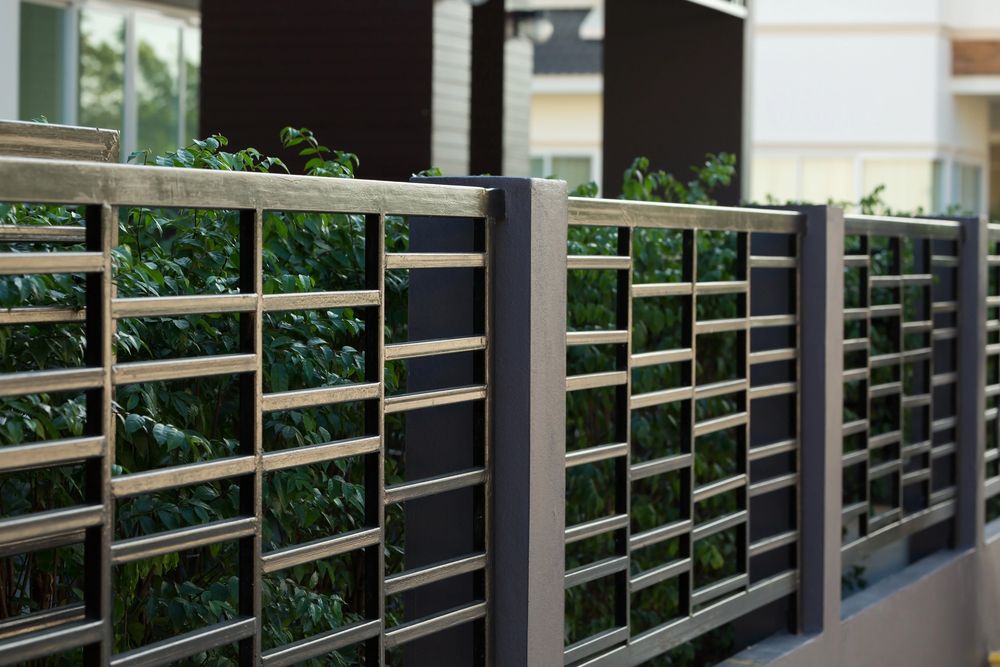
Both aluminum and steel fences offer many design choices, from simple pickets to decorative patterns. Steel can be customized with intricate designs, scrollwork, or detailed panels, making it ideal for formal or elegant properties. Aluminum often features clean, modern lines with a lighter appearance.
It can be powder coated in different colors to match your home exterior. Steel allows for more dramatic and imposing designs, while aluminum gives a contemporary look without feeling bulky. Your personal style and the type of look you want for your home can guide you when choosing between these two materials.
Cost Considerations
Cost can play a large role in deciding between aluminum and steel. Aluminum fences usually cost less due to their lighter weight and simpler production. Steel fences often have a higher initial price but offer greater durability and long-term strength. Installation may also cost more for steel because of its weight and the effort required.
Considering both the upfront cost and long-term benefits, including maintenance and lifespan, can help you make a balanced decision. Your budget and priorities for appearance, protection, and durability will influence which option is the best fit for your property.
Choosing the Right Option for Your Home
The choice between aluminum and steel depends on what matters most to you. Aluminum is a good option if you want low maintenance, a lighter feel, and a modern appearance. Steel is better if you want maximum strength, a long-lasting barrier, and decorative detail.
Both types provide lasting beauty and security for your property. Consider your climate, home style, maintenance preferences, and budget when making a decision. Consulting a fencing professional can help you select the right material and design so your fence complements your property and functions as you want.
Weather Resistance
When comparing aluminum vs. steel fences, weather resistance is an important factor to consider. Aluminum naturally resists rust, corrosion, and fading, which makes it ideal for areas with frequent rain, humidity, or coastal conditions. Steel fences are extremely strong but can be more vulnerable to rust over time, especially if protective coatings are not applied or maintained.
Steel can withstand heavy winds and impact better than aluminum, but it may require additional maintenance to stay in top condition. Both materials perform well in most climates, but your choice may depend on the specific conditions around your home.
Homeowners should evaluate how local weather patterns and environmental factors will affect the material over time. Understanding how aluminum and steel react to different conditions will help you select a fence that maintains its appearance, strength, and security for years to come while reducing potential maintenance challenges.
Security and Privacy
Security and privacy are major considerations when selecting between aluminum and steel fencing. Steel fences are extremely strong and can provide a robust barrier that protects your property against intruders or unwanted access. Aluminum is also sturdy and can be installed at various heights to create a secure boundary, though it is lighter and may not have the same impact resistance as steel.
Both materials can be designed to include vertical bars, panels, or decorative inserts that offer privacy while maintaining style. You can also combine them with
gates/fences, locks, or automation systems to enhance security. Steel is often preferred for properties that need maximum protection or a bold, imposing look, while aluminum works well for homeowners who want a balance of strength, low maintenance, and an attractive appearance.
Installation and Flexibility
Installation and flexibility are factors that can influence your decision between aluminum and steel fences. Aluminum is lightweight, which makes it easier to transport, handle, and install, reducing labor costs and installation time. It also adapts well to uneven ground or varying property layouts, offering flexibility in design.
Steel is heavier and requires more effort to install, but it can accommodate a wide range of designs, including ornate patterns and large panels. Both materials allow for customization, such as color finishes, decorative elements, and gate integration. Homeowners who plan to make adjustments to their fence layout or want faster installation may prefer aluminum, while those seeking a more rigid and imposing barrier might choose steel.
Customization Options
Both aluminum and steel fences offer a wide range of customization options to match your home’s style and your personal preferences. Steel fences can be crafted with intricate scrollwork, geometric patterns, or ornate panels, allowing you to create a dramatic and elegant entrance. Aluminum fences can be designed with clean lines, modern horizontal or vertical slats, or combined with wood or glass inserts for a contemporary appearance. Both materials can be powder coated in different colors to coordinate with your house or landscaping.
Customization can also extend to gate design, height, and spacing to balance privacy, security, and visual appeal. Adding decorative hardware, lighting, or automation features further enhances the functionality and style of your fence. The choice between aluminum and steel often depends on how detailed or heavy-duty you want your design to be.
Long-Term Investment
When selecting between aluminum vs. steel fences, it is important to think about long-term value. Steel fences tend to have a higher initial cost but offer exceptional durability, strength, and a commanding presence, which can increase your property’s overall value. Aluminum fences usually cost less upfront and require minimal maintenance, making them an appealing choice for homeowners seeking a practical and visually attractive solution.
Both materials can last for decades when properly installed, and their longevity can make them a worthwhile investment over time. Choosing a fence that aligns with your budget, maintenance capacity, and aesthetic goals ensures that it continues to perform and look appealing for many years.
You can explore custom aluminum or steel fencing from Iron Crafters Security Products, Inc. that complements your home and personal style. The products combine durability, visual appeal, and security, and we help you choose the materials and designs that best fit your property.